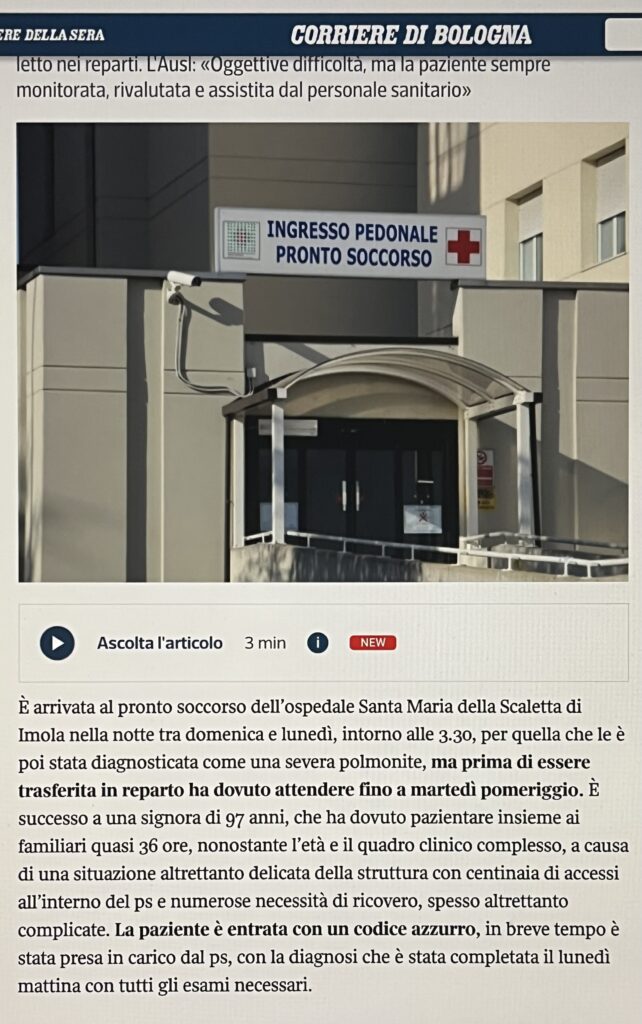
Si apprende dal Corriere di Bologna che una donna di novantasette anni è stata fatta attendere trentasei ore prima di venire ricoverata a causa di una severa polmonite.
Mi domando se la lunga attesa sia dovuta al fatto che degli psicologi sono stati interpellati per capire il vero carattere di questa polmonite, un po’ poco indulgente e spesso austera e inflessibile.
Forse la giornalista intendeva una ‘polmonite severa’.
In medicina, aggettivi come grave, acuto, cronico, severo, congestizio, recidivante, idiopatico o benigno vanno dopo il sostantivo.
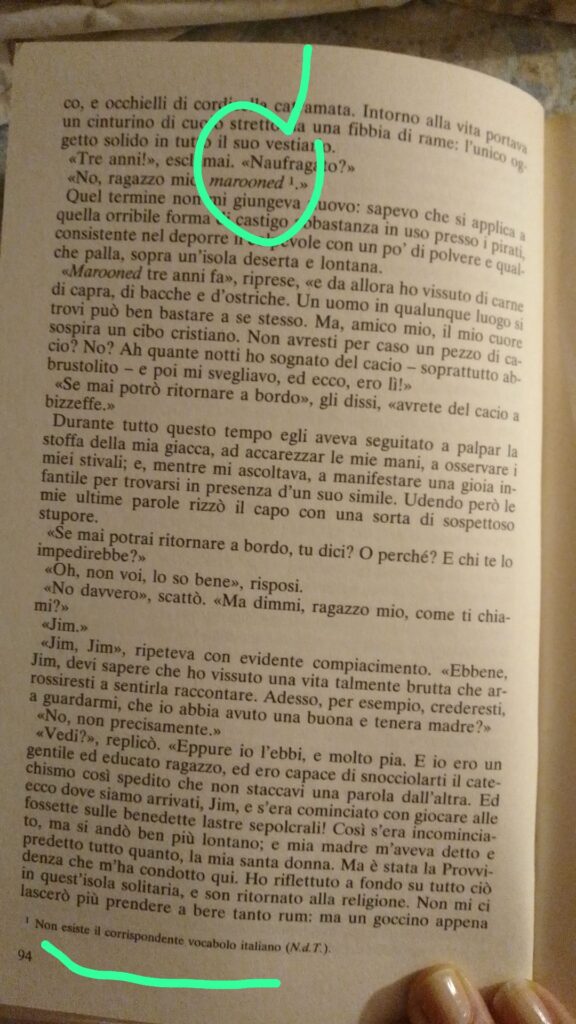
Recently a dear friend of mine and a fellow translator brought to my attention this unfortunate note in an Italian translation of Robert Louis Stevenson’s Treasure Island.
The Italian edition by Angiolo Silvio Novaro (1866-1938) was first published in 1932 but has apparently been recycled in more recent editions of this 19th-century classic.
An introductory note to this Newton Compton edition claims that this translation has been updated or revisited. To which extent is unknown. It is therefore quite puzzling to see that a footnote (a translator’s note, in fact) appears on page 94 warning the reader that the term ‘marooned’ simply does not exist in Italian
How odd.
Considering that ‘abbandonare’ would do the job, it is frustrating to disrupt the flow of a novel to insert such a ridiculously unfounded note. It is impossible for me to know whether or not this was Novaro’s idea, but it’s all the more disconcerting to realize that the current publisher chose not to edit out this note.
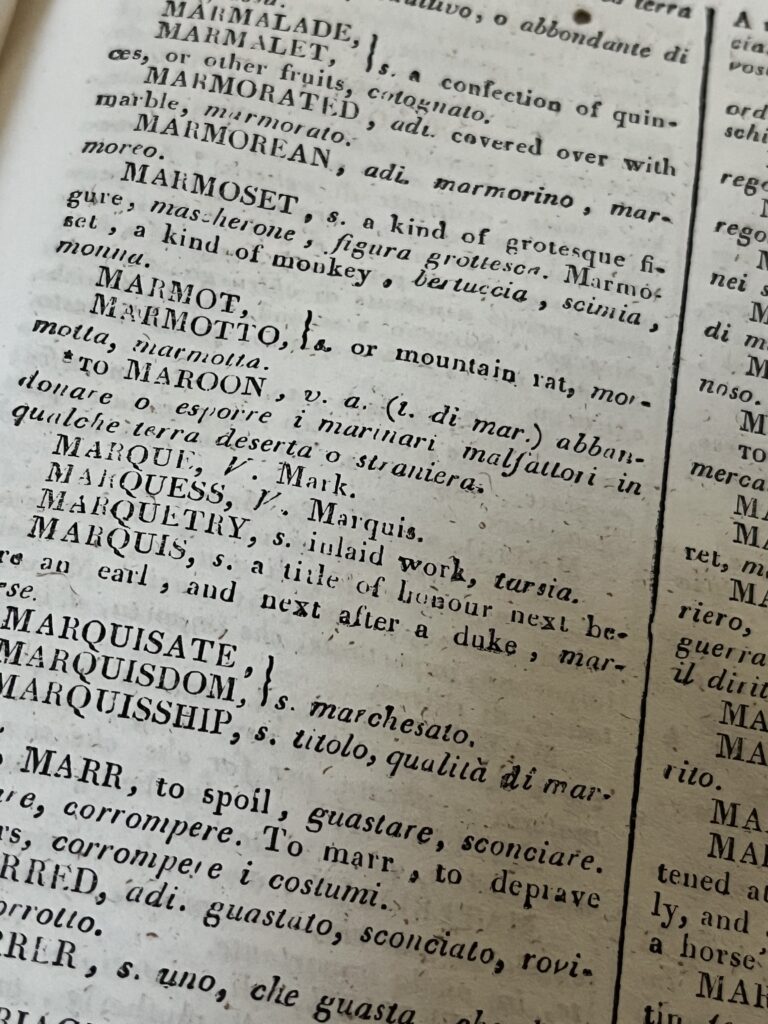
Just to prove my case, I looked up the word ‘maroon’ in my 1829 Baretti dictionary and, sure enough, it’s there.
Perhaps Novaro did not have the right tools in his days. Perhaps this note postdates him. It does not, however, explain why this recent edition did not do away with it.
Angiolo in a pensive pose. Likely marooned in Oneglia without any dictionaries to hand.
Quando sento questa parola, immagino un complesso di azioni che richiedono destrezza, a volte spregiudicatezza, o comunque una certa dose di capacità nei più svariati campi: dall’aeronautica alla medicina; dall’alpinismo al linguaggio militare.
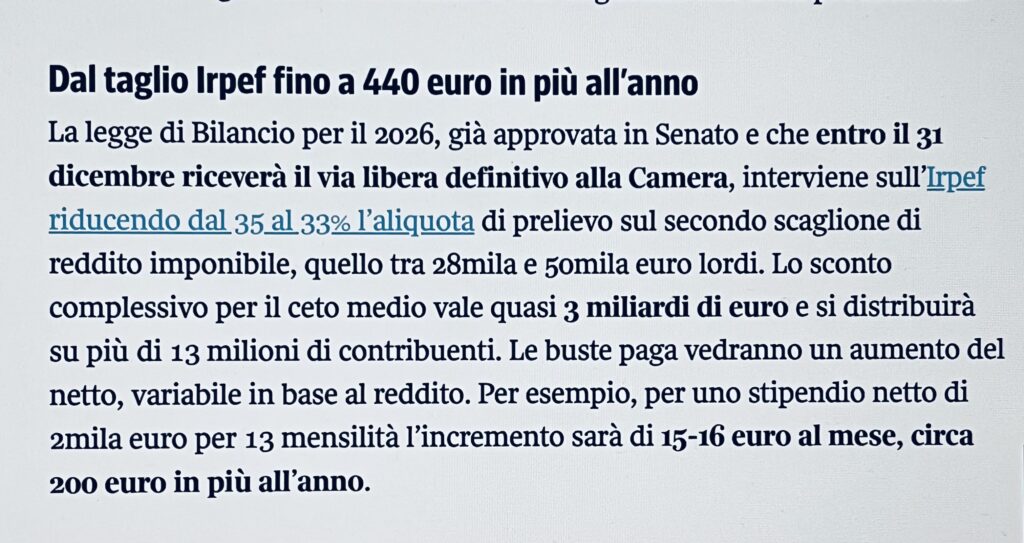
In questi giorni, però, i giornali fanno un gran parlare di manovra economica, ossia quando il governo, riunito di solito durante le festività – quando il popolo, lardellato di panettone, sonnecchia – decide come distribuire qualche moneta in più al tristo volgo.
Ecco che – la fanfara irrompe – quello che si prevede esborserà per quei fortunati che percepiscono duemila euro al mese.
Considerando che l’Italia ha speso trentadue miliardi per la difesa e le armi, il contribuente medio italiano potrà quindi permettersi una pizza in più al mese. Pizza, va aggiunto però, che non gli ruberà nessuno. Grazie alla difesa.
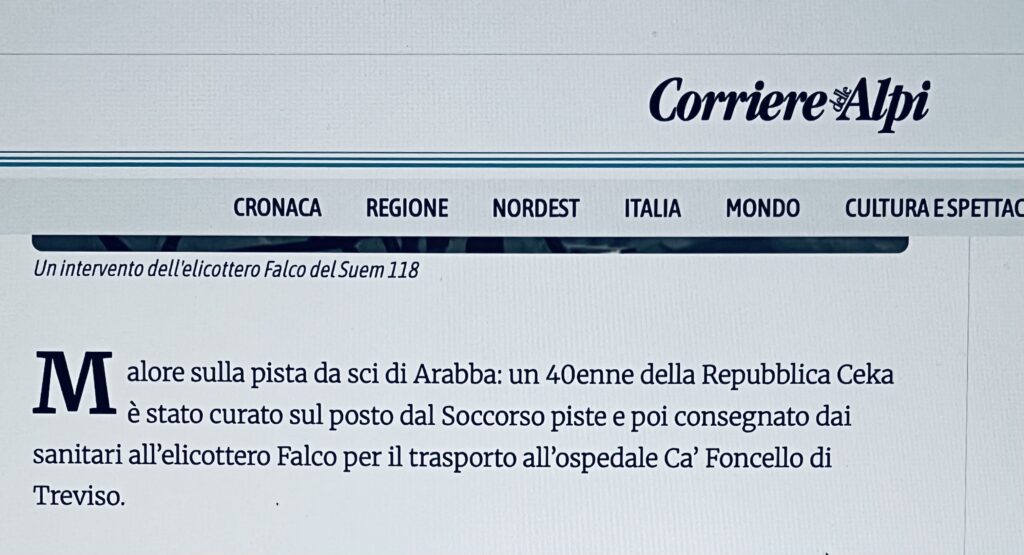
Attenzione alla grafia delle parole, caro Corriere delle Alpi.
In un primo momento la mia vista pensava di aver letto geco o gecko (cicak in malese, cecak in indonesiano) e mi domandavo come questo animaletto potesse essere finito nel bellunese e quale malcapitata sorte gli fosse piombata addosso.
La grafia rimane ceco e ceca. Cechia preferibile a Repubblica ceca.
PS: spiace per il turista ceco coinvolto nell’incidente.
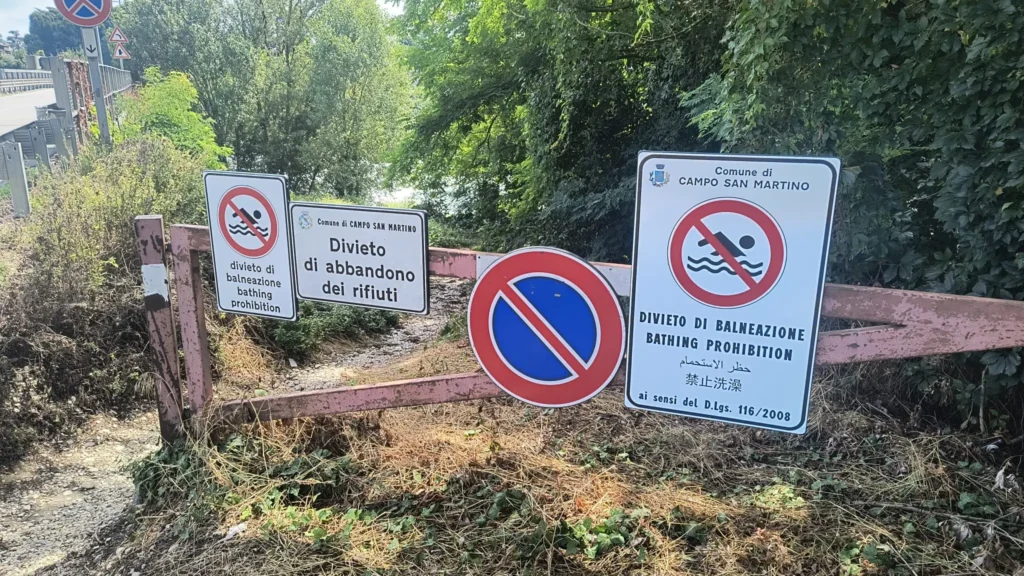
Siamo in Veneto nel 2025 e ancora i comuni non sembrano avere una figura professionale in grado di tradurre in inglese normale brevi e banali messaggi per la cartellonistica.
Bathing prohibition è un concetto. Un’idea da attuare. In un cartello o avviso, un semplice ‘No swimming’ o al massimo ‘bathing prohibited’ avrebbero svolto la loro funzione di divieto o avvertimento.
La cosa tragicomica è che il Mattino di Padova correda l’immagine con una didascalia quasi trionfante ‘Cartelli in quattro lingue’. Non mi esprimo per le altre due lingue ma, per l’inglese, un tre e mezzo in tutti i sensi.
‘Mi sei caduta sull’uccello’ è quanto una volta dissi a una mia ottima studentessa, eccelsa sia nel tradurre che nel ricreare in italiano i testi in inglese che le proponevo per esercizio.
Ho spesso trovato utile proporre esercizi di traduzione che, in seguito, prevedessero il confronto con due o più traduzioni pubblicate della stessa opera, sia per osservare come la lingua di arrivo cambi nel corso dei decenni , sia per rinfrancare i miei studenti facendo notare che quantunque una traduzione venga pubblicata, non sempre essa è esente da strafalcioni o veri e propri errori di interpretazione dal testo fonte.
Nella fattispecie stavamo lavorando su Rebecca, il magnifico romanzo di Daphne du Maurier del 1938, di cui già apparse una traduzione di Alessandra Scalero nel 1940 per i tipi di Arnoldo Mondadori e di cui poi il Saggiatore ha pubblicato una seconda traduzione, questa volta di Marina Morpurgo, nel 2008.
La prima cosa che colpisce in entrambi le traduzione è la libertà nel rielaborare i dettagli visivi per cui un lettore italiano alla fine perde molte delle splendidi immagini che du Maurier adopera in uno – a mio avviso – degli incipit più belli della letteratura inglese del Novecento.
Già dalle prime pagine si notano delle dissonanza: lattice windows diventano ‘finestrelle protette da grate’ (Manderley stile penitenziario?) per Morpurgo, mentre per Scalero the lawns tra la terrazza e il mare diventa una prateria (in Cornovaglia?) e un chestnut non è un castagno ma diventa un ippocastano.
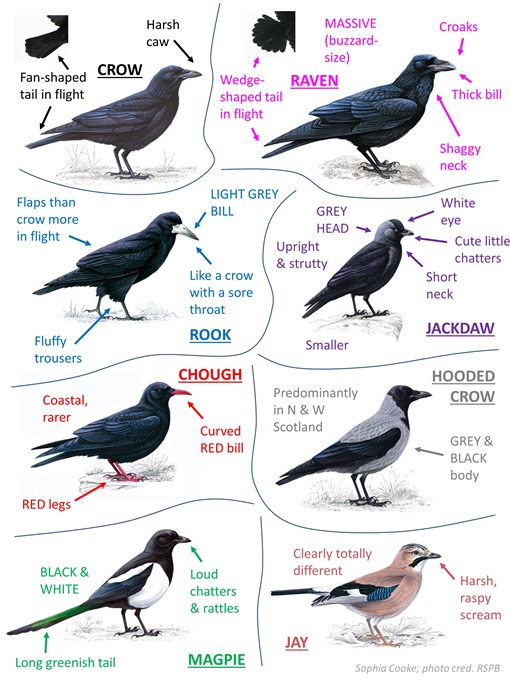
Ma sembra che cosa svolazzi nei cieli tra le pagine del romanzo non sia di vitale importanza per nessuna delle traduttrici . Per cui i rooks circling above the woods, tipico corvide gregario che si trova anche in Inghilterra, diventa una cornacchia sia per Morpurgo che per Scalero, un uccello ben diverso, che tende a essere più solitario e poco frequente in Inghilterra (si trova più facilmente in Scozia). In realtà si tratta di un corvo. Ma nemmeno quello imperiale, come invece la mia studentessa aveva deciso di tradurre.
Quindi, per evitare di prendere gazze con la fava sbagliata, facciamo chiarezza con un’immagine e una lista dei corrispettivi in italiano.
crow = cornacchia o cornacchia nera (carrion crow)
raven = corvo imperiale o corvo maggiore
rook = corvo o corvo nero
jackdaw = taccola
chough = gracchio
hooded crow = cornacchia grigia
magpie = gazza
jay = ghiandaia
Happy birdwatching! (Felice osservazione di uccelli?)
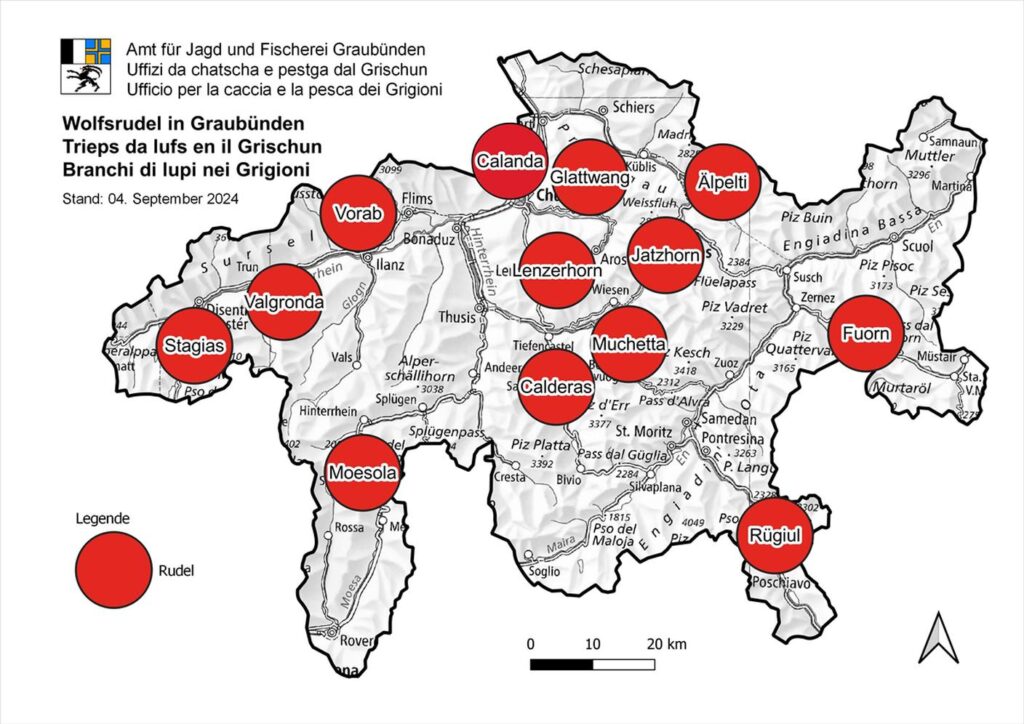
Si apprende dalla RSI che nei Grigioni sono stati abbattuti 48 lupi in quattro mesi perché devono fare bilancio. In un cantone più vasto del Delaware con una popolazione di homo sapiens equiparabile alla città di Parma evidentemente si sta stretti.
Per il secondo anno consecutivo, si rileva infine, il numero di predazioni di bestie da reddito è calato: da 267 a 213.
Homo sapiens dei Grigioni comanda e dispone delle bestie a suo piacimento e forse a dio spiacendo: quante possono essere da reddito – e quindi intoccabili – e quante pongono un rischio per la sussistenza stessa di homo sapiens dei Grigioni.
Un lessico perfetto per homo sapiens helveticus. Auguriamo che si arricchisca sempre di più grazie alle beste da reddito.
The Artful Translator will continue his personal fight against homo insapiens
As I do most mornings, I read the news on various websites to see if the world has gone completely to the dogs linguistically and otherwise. Sadly, I’m often proven right.
This morning Marco Imarisio of Corriere della Sera decided that the Russian foreign minister Lavrov must have been heard using the American expression hold your horses -presumably in its non-existing Russian version – while advising his president to adopt a wait-and-see strategy.
Clearly on a roll, Mr. Imarisio thought that this folksy idiom could also be translated literally into Italian – Tieni a bada i cavalli – for the benefit of his Italian readers.
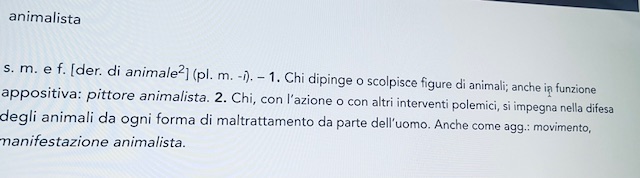
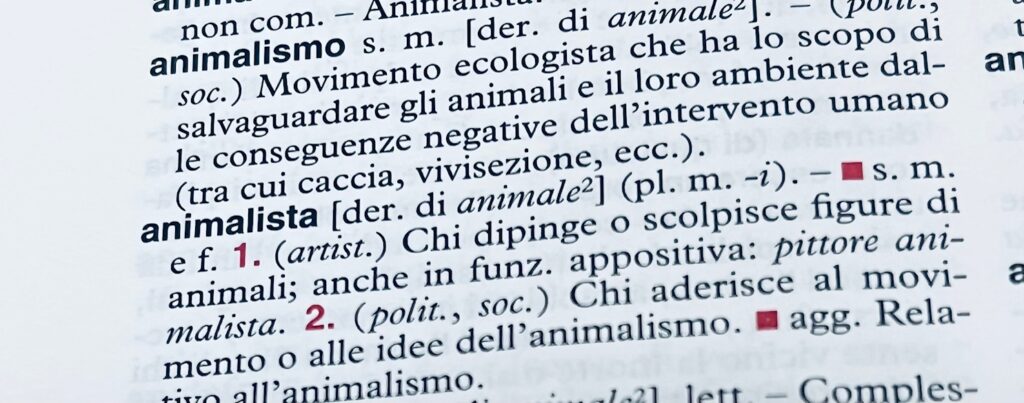
Ho appena scritto alla redazione Treccani per capire come mai la definizione di ‘animalista’ sulla pagina web del loro dizionario sia la seguente:
La versione cartacea non include questo inciso, che connota e pregiudica negativamente il senso del termine, essendo la polemica qualcosa spesso fine a se stessa.
In attesa di una risposta da parte della redazione Treccani – se questa mai arriverà – The Artful Translator si domanda come mai questo termine sembra venire usato con sdegno e come quasi un insulto nei commenti in calce ad articoli che trattano di natura e ambiente nella stampa e nei media italiani.
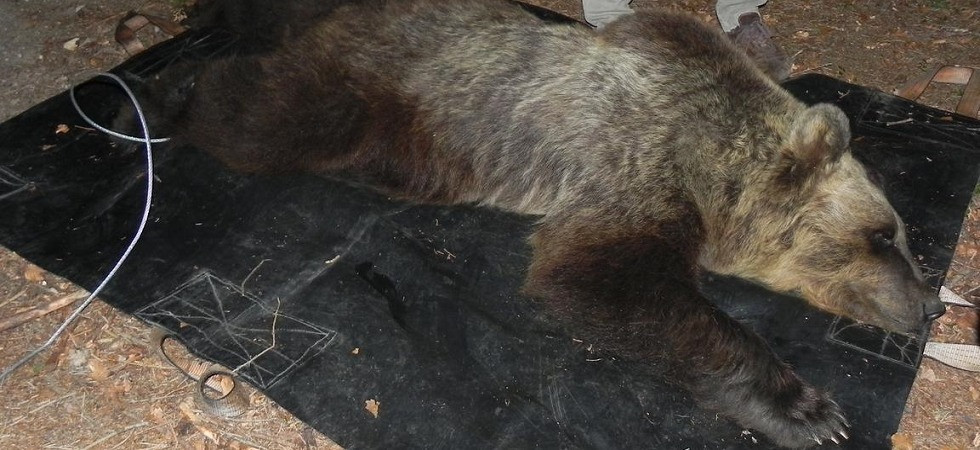
In un esempio odierno dalla stampa italiana, si apprende con incolmabile tristezza dell’uccisione di un altro giovane orso in Trentino a seguito di un decreto del presidente di tale regione, un personaggio chiaramente sfornito di qualsiasi scrupolo o interesse per la biodiversità del bacino di sua pertinenza ( e forse – a giudicare da una sua fotografia – molto più interessato al proprio bacino anatomico).
Purtroppo, leggendo i commenti si assiste a una sconfortante testimonianza dell’incapacità dell’italiano o dell’italiana media di moderarsi nei toni dei propri punti di vista. Ogni questione, anche quella più indifendibile, diventa dunque motivo di divisionismo da stadio o settarismo partitico (o per partito preso).
Questioni sull’ambiente, che andrebbero sostenute all’unanimità per il bene collettivo, diventano invece bersaglio per il fuoco nemico mediante l’uso improprio di una raffica di epiteti tra cui il temuto ‘animalista’, e dove, con insopportabile tracotanza, politici dal grilletto facile uccidono ‘serenamente‘ (come riportato tra i commenti a favore del presidente).
In memoria di M91 – che è stato solo un numero nella sua breve esistenza.
NB. La redazione Treccani ha risposto prontamente il medesimo giorno e ha rettificato la definizione del lemma. Chapeau alla redazione.